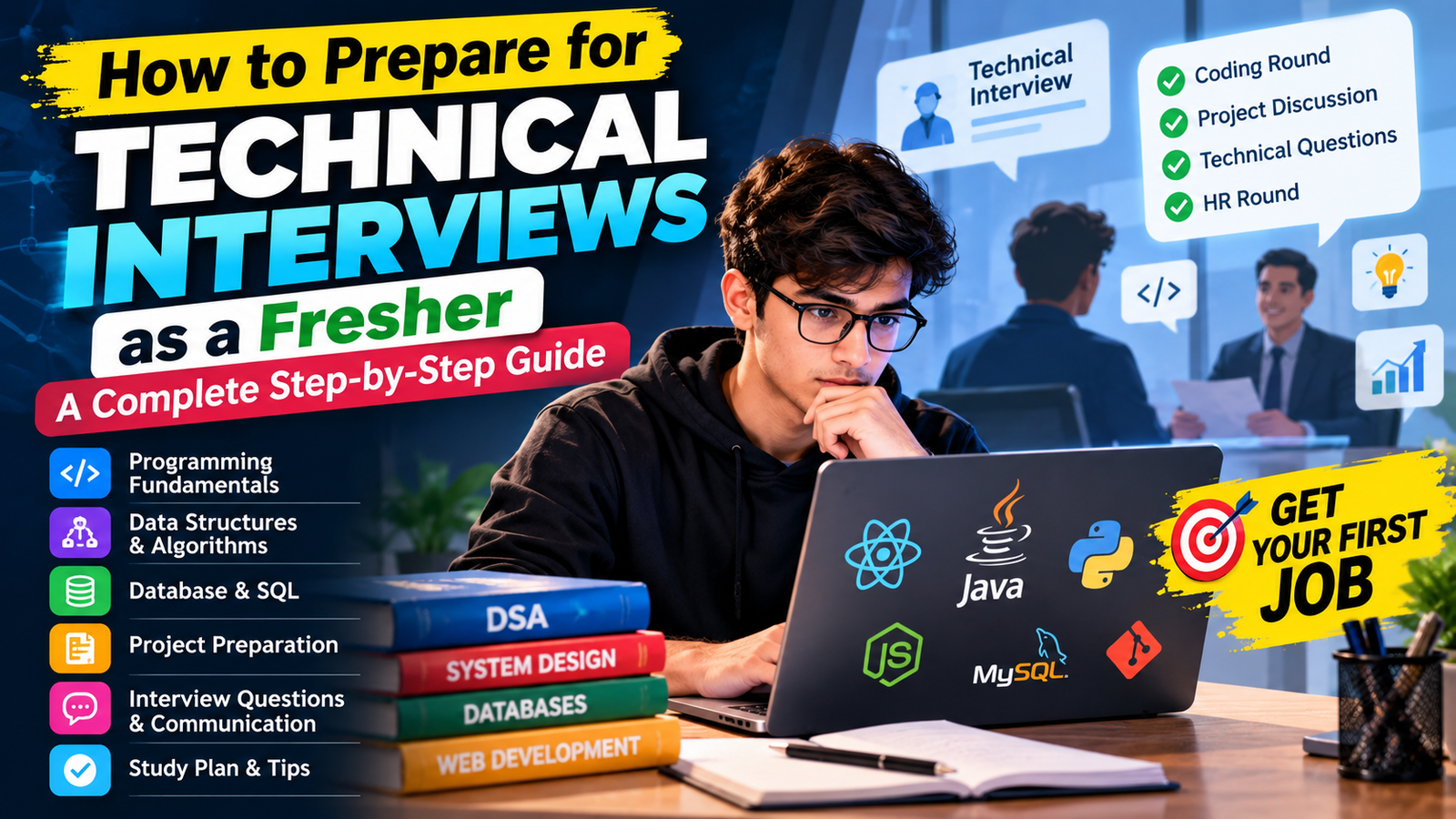
As an HR Recruiter, I have had the opportunity to interview candidates across different roles and experience levels. Over time, I realized that while every position requires specific technical skills, there are certain core questions that help evaluate a candidate’s communication skills, mindset, cultural fit, and professional maturity.
Through my recruitment experience, I have developed a structured approach to interviewing. Below are the top 25 questions I consistently ask during interviews to assess candidates effectively and fairly.
1. Tell me about yourself.
This question helps evaluate communication skills, confidence, and how well the candidate can structure their thoughts.
2. Walk me through your resume.
This allows me to understand their career journey and verify their experience in detail.
3. Why are you looking for a job change?
This helps identify motivation, career goals, and stability.
4. Why do you want to join our company?
This question checks whether the candidate has researched the organization and is genuinely interested.
5. What do you know about our organization?
It measures preparation level and seriousness toward the opportunity.
6. Why should we hire you for this role?
This evaluates self-awareness and understanding of the job requirements.
7. What are your key strengths?
This helps identify skills that align with the position.
8. What is one weakness you are working on?
This checks honesty and willingness to improve.
9. Describe a challenging situation you handled.
This assesses problem-solving ability and practical experience.
10. Tell me about a time you dealt with a difficult customer or colleague.
This helps evaluate emotional intelligence and communication under pressure.
11. How do you handle pressure or tight deadlines?
This determines stress management and adaptability.
12. How do you prioritize your work?
This evaluates time management and organizational skills.
13. What motivates you at work?
This helps understand long-term engagement and work attitude.
14. Where do you see yourself in the next 3–5 years?
This question assesses career clarity and ambition.
15. What kind of work environment helps you perform best?
This helps determine cultural fit.
16. How do you handle feedback or criticism?
This evaluates professionalism and growth mindset.
17. Can you explain any gap in your resume?
This ensures transparency and honesty.
18. What achievement are you most proud of?
This identifies performance orientation and confidence.
19. Have you worked in a team? What was your role?
This checks teamwork and collaboration skills.
20. How do you resolve workplace conflicts?
This evaluates maturity and interpersonal skills.
21. What are your salary expectations?
This helps align financial expectations early in the process.
22. Are you comfortable with shifts, targets, or travel (as required)?
This ensures role suitability.
23. How soon can you join?
This helps with workforce planning and urgency.
24. Do you have any questions for us?
This indicates curiosity, seriousness, and engagement.
25. If selected, what value will you bring in the first 90 days?
This question measures initiative, planning ability, and impact mindset.
Effective interviewing is not just about asking questions—it is about understanding people beyond their resumes. These 25 questions have helped me evaluate candidates holistically, focusing not only on technical skills but also on attitude, adaptability, and cultural alignment.
Through structured and consistent questioning, I aim to ensure fair evaluation, better hiring decisions, and long-term employee success within the organization.
Top 25 Question that I ask as a Recruiter
💼 Ready to Find Your Dream Job?
Browse verified fresher jobs and internships — updated daily.
Browse Latest Jobs →