The Architect’s Path to Employment
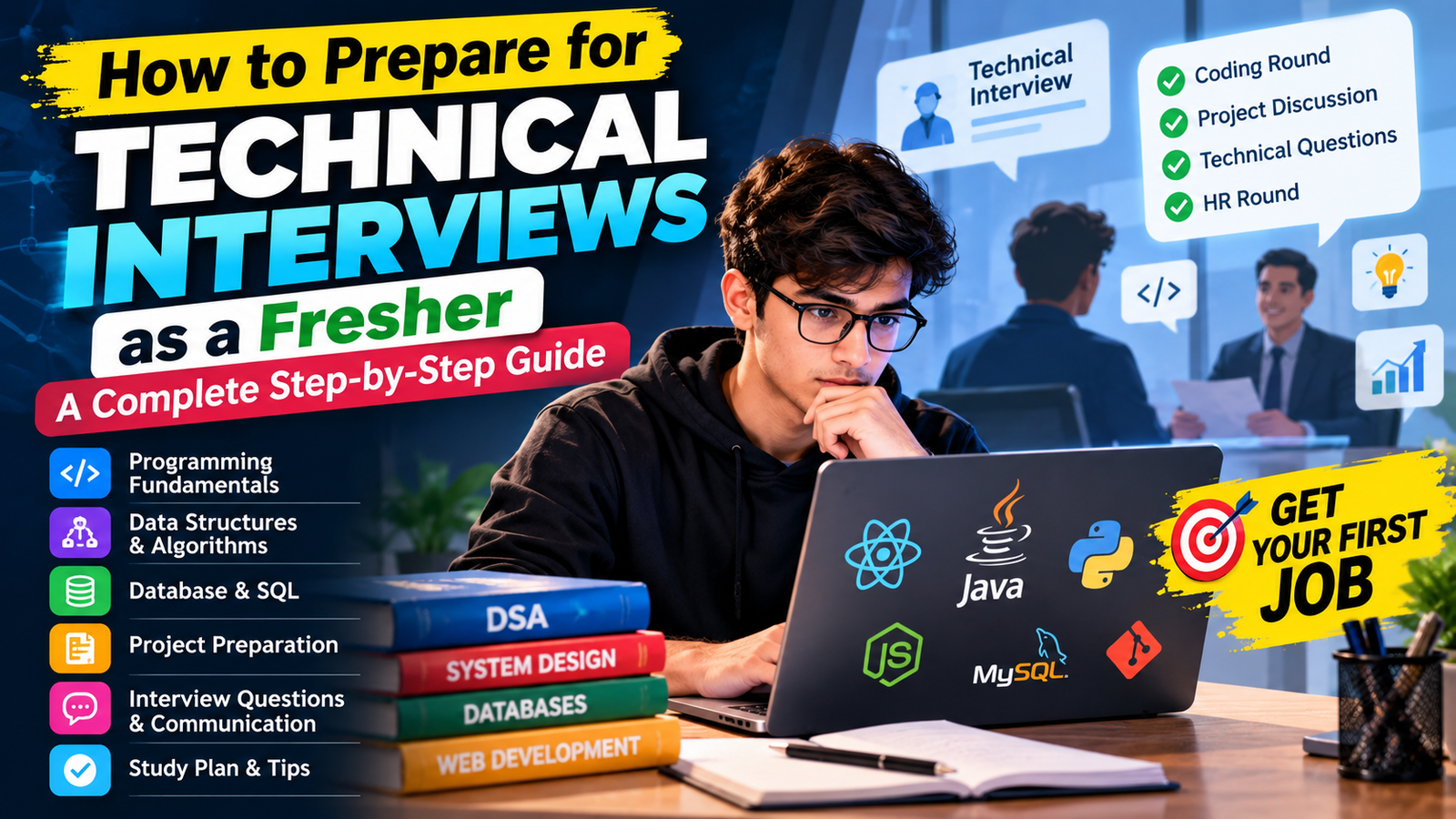
In 2026, the entry-level software market has moved past the "coding boot camp" era. With AI-driven tools now capable of writing standard boilerplate code, recruiters are no longer hiring based on your ability to memorize syntax; they are hiring based on your ability to solve complex problems and design scalable systems. To land a high-paying role at companies like Google, PhonePe, or a Series A startup, you need a structured approach that balances technical depth with industry-ready "Soft-Tech" skills. This 12-week blueprint is designed to transform a student into a "Day-1 Productive" engineer.
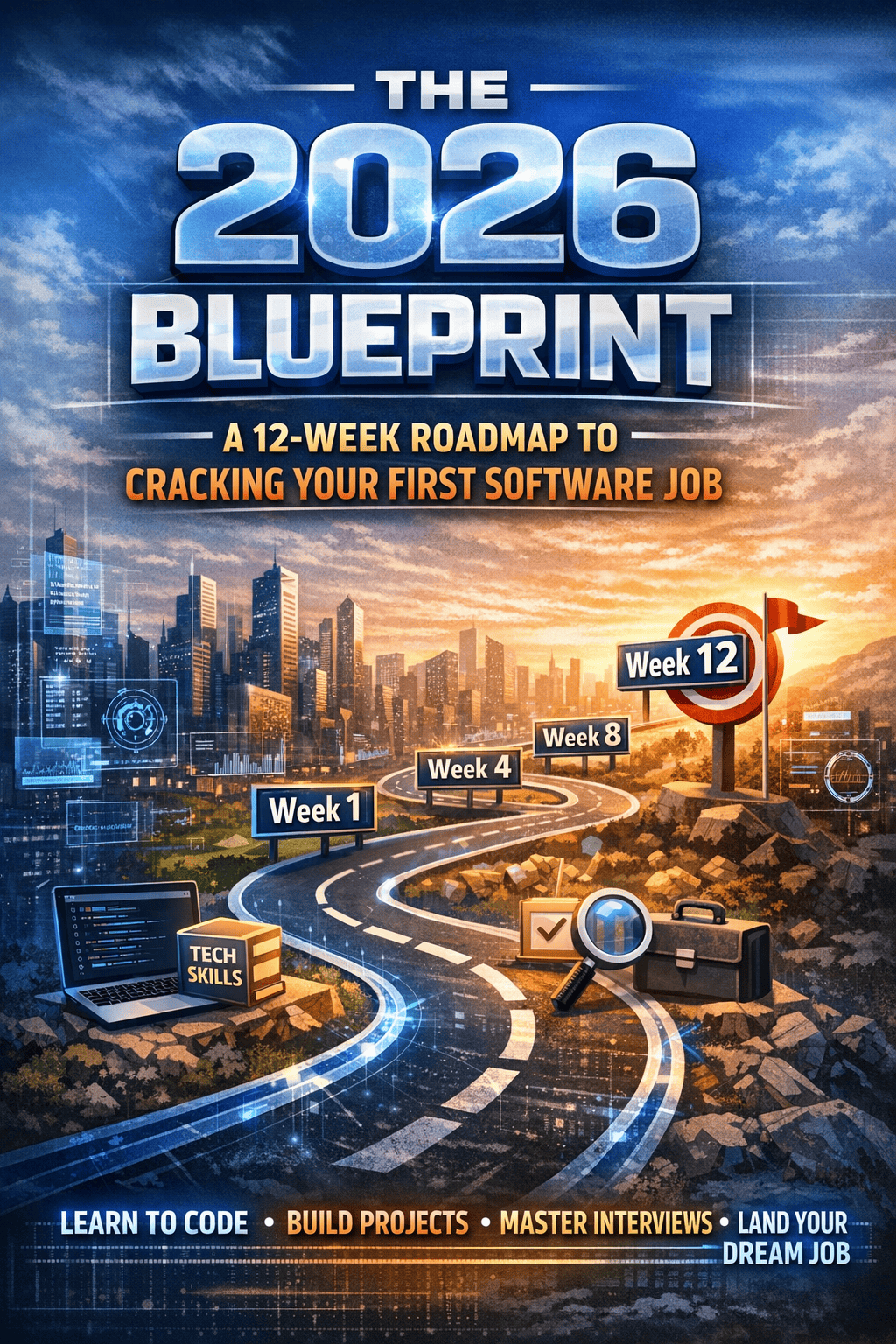
Month 1: The Core Patterns & AI Literacy
The first four weeks are dedicated to mastering Data Structures and Algorithms (DSA), but with a 2026 twist. Instead of grinding 500 random problems, focus on the "Big 15" coding patterns (like Sliding Window, Backtracking, and Two-Pointers). Simultaneously, you must master AI-Assisted Development. Learn to use tools like GitHub Copilot or Cursor not to "cheat," but to accelerate your workflow. Understand how to write unit tests for AI-generated code and how to debug logic that you didn't manually type. This is the baseline for a modern engineer.
Month 2: The "System-First" Build
In weeks five through eight, you move from "Coding" to "Engineering." You must build one significant project that utilizes Agentic Workflows or RAG (Retrieval-Augmented Generation). A simple "To-Do List" or "Weather App" will no longer get you noticed. Your project should solve a real-world problem—such as a decentralized identity verification system or an AI-orchestrated task manager. During this month, you must also learn the basics of System Design. Understand how to scale a database, the difference between SQL and Vector DBs, and how to use Docker to containerize your applications.
Month 3: The High-Stakes Interview & Brand
The final month is about "The Hunt." You must optimize your GitHub Proof-of-Work. Every repository should have a professional README, a demo video, and clean commit histories. Prepare for AI-led interviews by practicing your "Thought Architecture"—the ability to narrate your trade-offs while a bot monitors your screen. Finally, leverage The Build in Public strategy on X (Twitter) and LinkedIn. By sharing your weekly learnings, you create a "Passive Recruiting" engine where managers find you before you even hit the "Apply" button.
By following this blueprint, you aren't just looking for a job; you are proving you already belong in the industry.
The 2026 Blueprint: A 12-Week Roadmap to Cracking Your First Software Job
💼 Ready to Find Your Dream Job?
Browse verified fresher jobs and internships — updated daily.
Browse Latest Jobs →