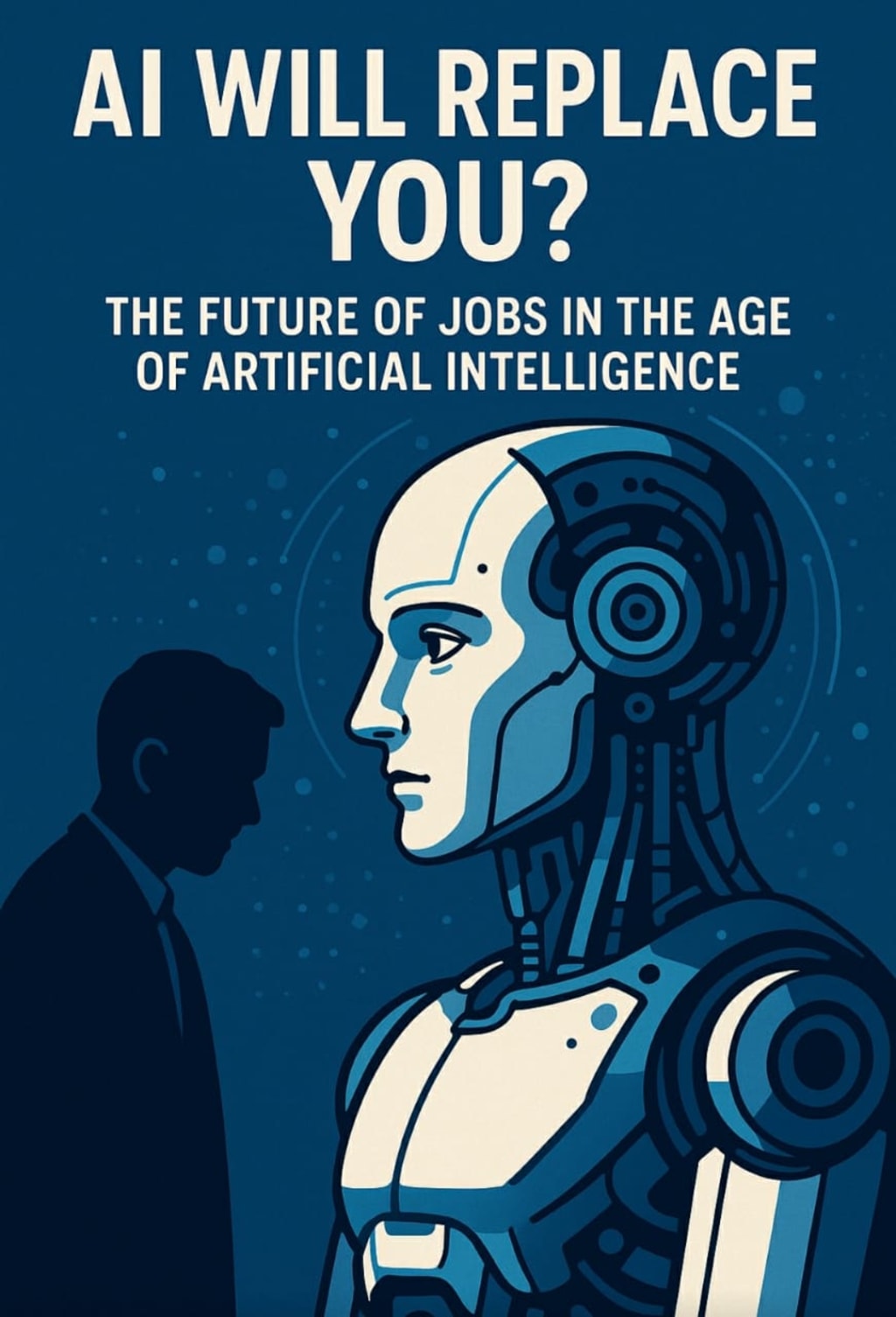
The Impact of Artificial Intelligence on the Future of Work
Introduction
Artificial Intelligence (AI) is rapidly transforming the modern workplace. From automating repetitive tasks to supporting complex decision-making, AI is becoming an essential part of many industries. As technology evolves, it is reshaping the way people work and the skills required for future jobs.
Section 1: Automation and Productivity
One of the biggest impacts of AI is automation. AI-powered systems can perform repetitive and time-consuming tasks much faster than humans. In industries such as manufacturing, finance, and customer service, AI tools help increase productivity and reduce errors.
For example, chatbots are now used by many companies to answer customer queries instantly. Similarly, AI systems analyze large amounts of data in seconds, helping businesses make smarter and faster decisions. This allows employees to focus on creative and strategic work instead of routine tasks.
Section 2: New Job Opportunities
While some people fear that AI will replace jobs, it is also creating new opportunities. Careers such as data scientists, machine learning engineers, AI researchers, and automation specialists are becoming highly demanded in the job market.
In addition, many industries now require professionals who understand both technology and business processes. Learning skills like programming, data analysis, and AI tools can help individuals stay relevant in the evolving job market.
Section 3: Skills Needed for the Future
To succeed in an AI-driven world, individuals must focus on continuous learning. Technical skills like coding, data analysis, and machine learning are important. At the same time, soft skills such as creativity, problem-solving, and critical thinking remain valuable because these abilities cannot easily be replaced by machines.
Educational institutions and companies are also adapting by providing training programs that prepare workers for AI-related roles.
Conclusion:
Artificial Intelligence is transforming the future of work in many positive ways. While automation may change certain job roles, it also opens doors to new careers and innovations. By learning new skills and adapting to technological changes, individuals can take advantage of the opportunities created by AI and build a successful future in the digital era.
The Impact of Artificial Intelligence on the Future of Work.
💼 Ready to Find Your Dream Job?
Browse verified fresher jobs and internships — updated daily.
Browse Latest Jobs →