Introduction
The job market is changing faster than ever before. Technologies like artificial intelligence, automation, and digital platforms are transforming how companies hire and how people work. Many traditional roles are evolving, and new career opportunities are being created every year. For students and fresh graduates, understanding these changes early can make a huge difference in career growth.
Instead of focusing only on degrees, companies are now looking for people who have practical skills and can adapt to new technologies. Learning AI-related skills and digital tools has become one of the smartest investments a student can make today.
Why AI Skills Are Becoming Important
Artificial intelligence is no longer limited to big tech companies. It is now used in healthcare, finance, marketing, education, manufacturing, and even agriculture. Businesses use AI to analyze data, automate repetitive tasks, and improve decision making.
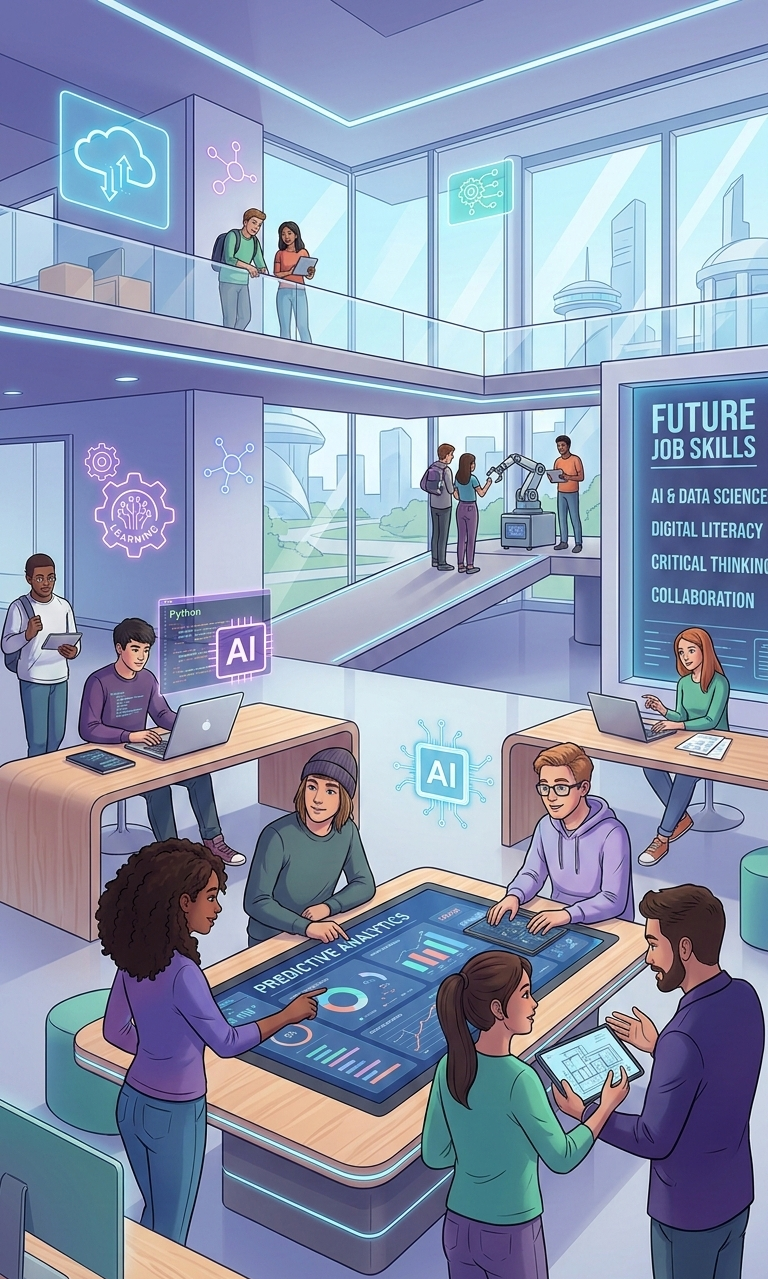
Because of this shift, employers prefer candidates who understand how technology works and how it can improve productivity. Students who learn basic AI concepts and tools will have a clear advantage in internships, hackathons, and job placements.
Essential Skills Students Should Focus On
Students do not need to become AI experts immediately. However, developing certain foundational skills can help them stay competitive.
First, learning basic programming languages such as Python can help students understand how automation and AI tools work. Second, understanding data analysis is becoming extremely valuable because companies rely heavily on data to make decisions.
Another important skill is learning how to use AI productivity tools responsibly. These tools can help students research, brainstorm ideas, and improve efficiency in projects.
Communication and problem-solving skills are also essential. Technology can assist with tasks, but creative thinking and human judgment remain irreplaceable.
Building a Future-Ready Career
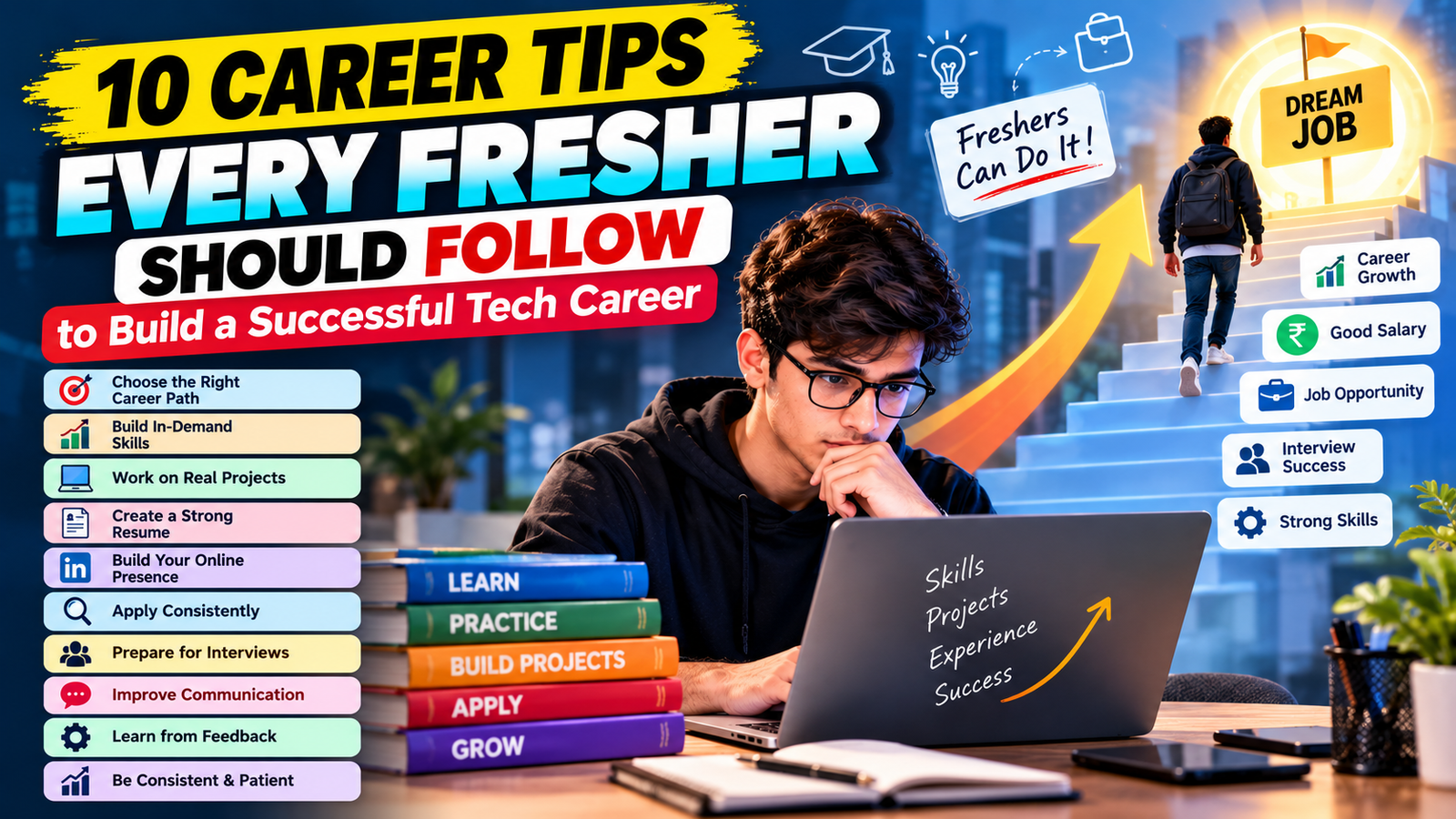
Students should also focus on building a strong portfolio rather than relying only on academic marks. Participating in hackathons, creating small projects, contributing to open-source work, and writing technical blogs can showcase real skills.
Networking and staying updated with industry trends is equally important. Following technology communities, attending workshops, and learning continuously can help students stay prepared for the evolving job market.
Conclusion
The future job market will reward people who are adaptable and skilled. Artificial intelligence is not here to replace humans completely; instead, it will work alongside people who know how to use it effectively. Students who start learning AI-related skills today will be better prepared for the opportunities of tomorrow.
Developing technical knowledge, practical experience, and problem-solving abilities will ensure that students remain relevant and competitive in the rapidly changing world of work
AI Skills Every Student Should Learn in 2026 to Stay Relevant in Future Jobs
💼 Ready to Find Your Dream Job?
Browse verified fresher jobs and internships — updated daily.
Browse Latest Jobs →