The Superpower of the 21st Century
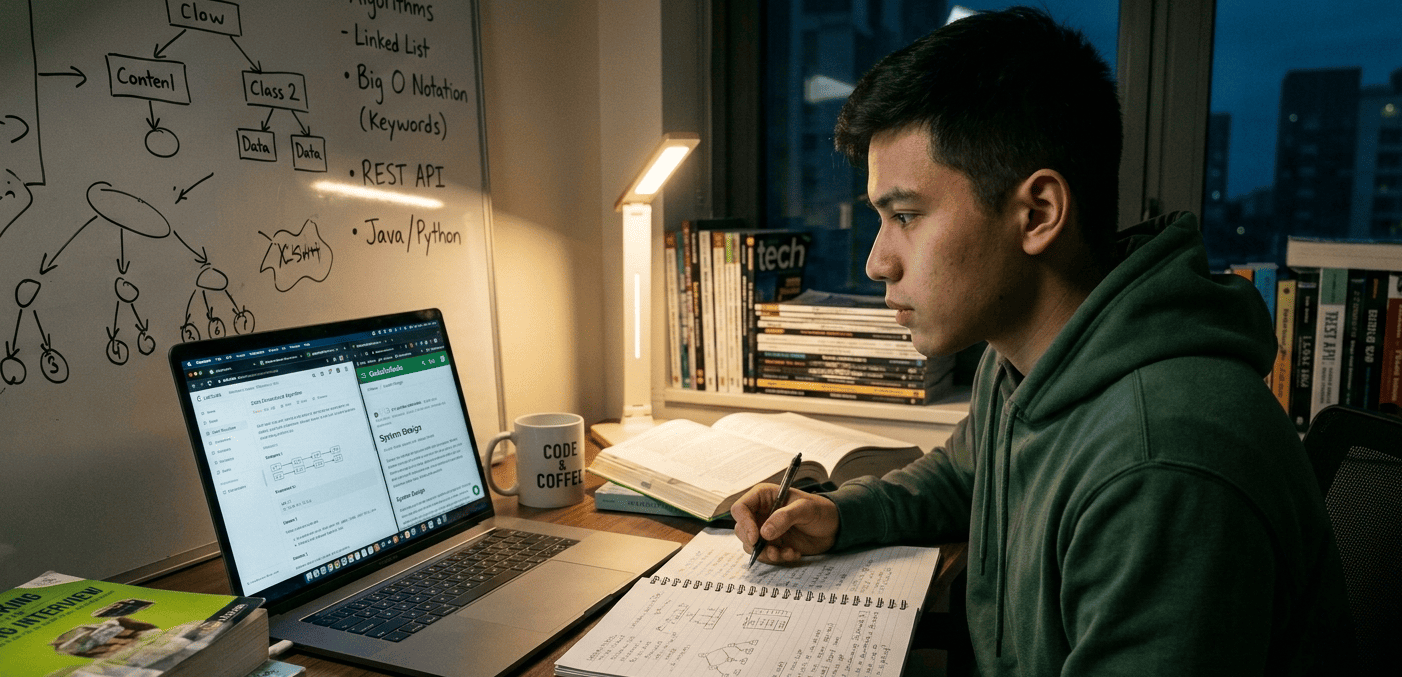
In the hyper-connected tech landscape of 2026, the rarest commodity is not technical knowledge—it is the ability to focus. As software ecosystems become increasingly complex with distributed architectures and AI-integrated modules, the cognitive load on developers has reached an all-time high. Many freshers fall into the trap of "shallow work"—spending their day responding to Slack pings, scrolling through documentation without absorbing it, and relying too heavily on AI to write code they don't fully understand. This lead-footed approach inevitably results in the "Junior Burnout" phase.
To master complex code, one must embrace Deep Work, a term coined by Cal Newport and updated here for the modern engineering era. Deep work is the ability to focus without distraction on a cognitively demanding task. It is the difference between "just getting the code to run" and "building a scalable, elegant system."
Habit 1: The 90-Minute Flow Block. Science shows that the human brain takes nearly 20 minutes to reach a state of "flow" after a distraction. By scheduling non-negotiable 90-minute blocks where all notifications are silenced, you allow your brain to map out complex data structures and logic paths that are invisible to the distracted mind.
Habit 2: AI as a Buffer, Not a Crutch. In 2026, the best developers use AI to handle "shallow" tasks—like boilerplate setup or unit test skeletons—to save their biological "compute power" for high-level system design and debugging. This prevents decision fatigue, a leading cause of burnout.
Habit 3: Sensory Anchoring. High-performing developers use environmental triggers to "prime" their brains for deep work. Whether it’s a specific Lo-Fi playlist, binaural beats, or a dedicated "coding chair," these anchors reduce the friction of starting difficult tasks.
Habit 4: The "Shutdown Ritual." Burnout occurs when the brain stays in "debug mode" long after the laptop is closed. A science-backed shutdown ritual—writing down the plan for the next morning and physically announcing "work complete"—allows the prefrontal cortex to rest and recover.
Habit 5: Active Recovery (NSDR). Instead of scrolling social media during breaks, which adds to cognitive clutter, top engineers use Non-Sleep Deep Rest (NSDR) or short walks. This clears "adenosine" buildup in the brain, allowing for a second peak of productivity in the afternoon.
By mastering these habits, you aren't just a faster coder; you are a more resilient one. In an AI-driven world, the human who can think deeply will always be the one who leads.
"Deep Work for Developers: 5 Science-Backed Habits to Master Complex Code Without the Burnout"
💼 Ready to Find Your Dream Job?
Browse verified fresher jobs and internships — updated daily.
Browse Latest Jobs →